Tiri: Te Araroa Woman Far Walking | Witi Ihimaera & Brisbane Festival
Images: Andi Crown Photography
“Hear the language, see the language and most importantly feel the language as we chant, haka, lament, laugh and speak to you from our hearts.” (Katie Wolfe, Director)
Opening night at the iconic Brisbane Powerhouse for the much acclaimed epic tale of Tiri Mahana, the subject of Tiri: Te Araroa Woman Far Walking. The foyer is teeming with enthusiastic Brisbane Festival attendees as they make their way eagerly to the main theatre for this inaugural performance.
The setting before this writer is shrouded in black curtains - bare, stark except for a sloping stage design and a rear screen looming in the background. A silhouette, backlit by Jane Hakaraia’s striking lighting design, emerges from the rear and moves haltingly towards the audience.
So begins the extraordinary tale of Te Tiriti o Waitangi Mahana (Tiri for short). This 186 year old wizened matriarch’s multi-layered fascinating story is brought to life on stage under the direction of Katie Wolfe and through the brilliant writing of revered Māori playwright, Witi Ihimaera (author of the 1987 bestseller The Whale Rider).
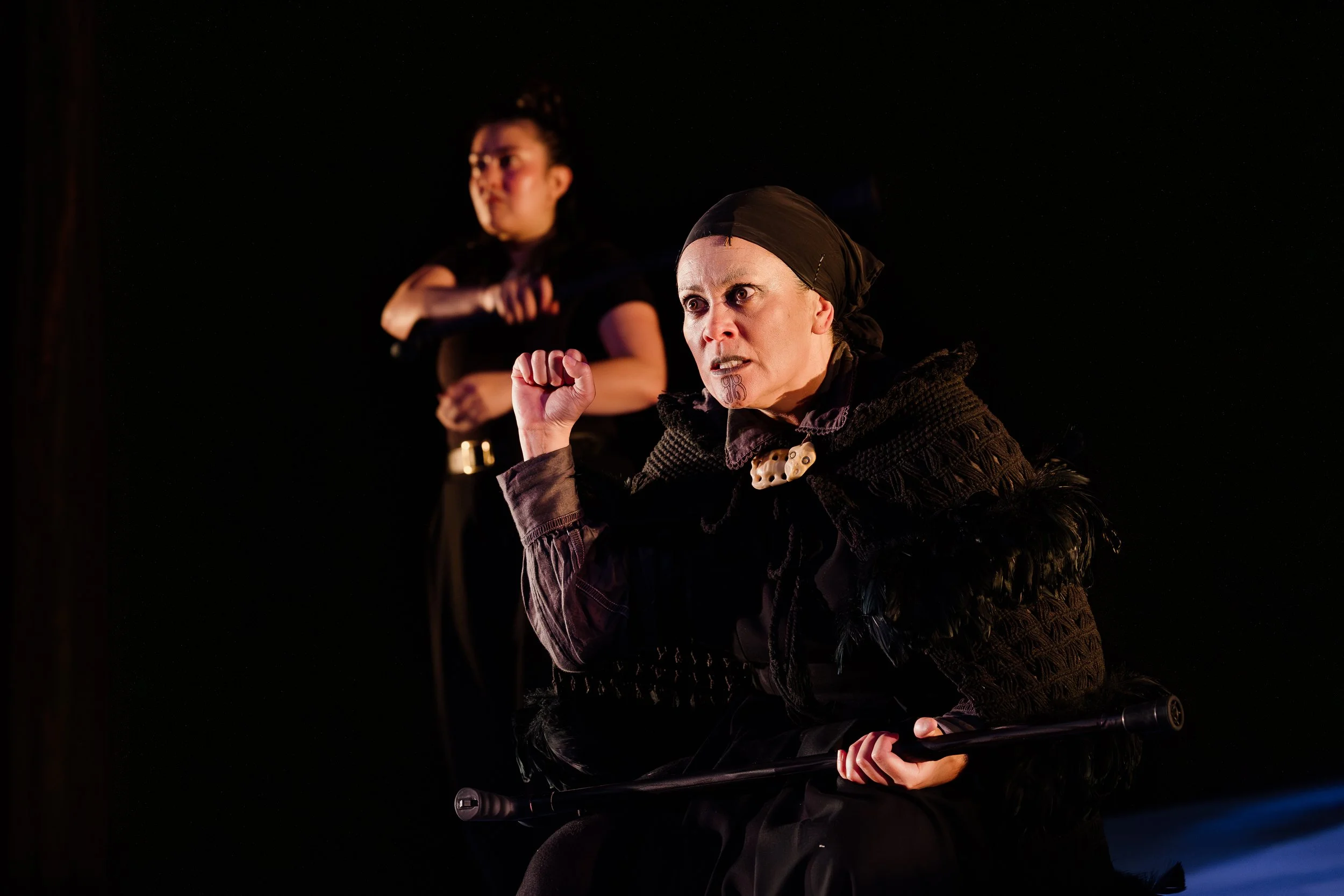
Opinionated Tiri, played by the much-acclaimed Miriam McDowell, wearied with age (two walking sticks assist her) relates with humour, pathos, hope, grief her nation’s enthralling story of partnership with the signing of the Treaty of Waitangi (Tiri’s namesake).
Being on-stage for the entirety of the one hour plus performance is no mean feat. McDowell excels in her unfaltering role as she recounts with passion the devastating effects of the Spanish Flu, the invasion of the pale-skins, the ensuing wars, the grievous loss of her immediate family, her marriages, her youth, her status as a fearless warrior. She owns her story. She is her story.
Images: Andi Crown Photography
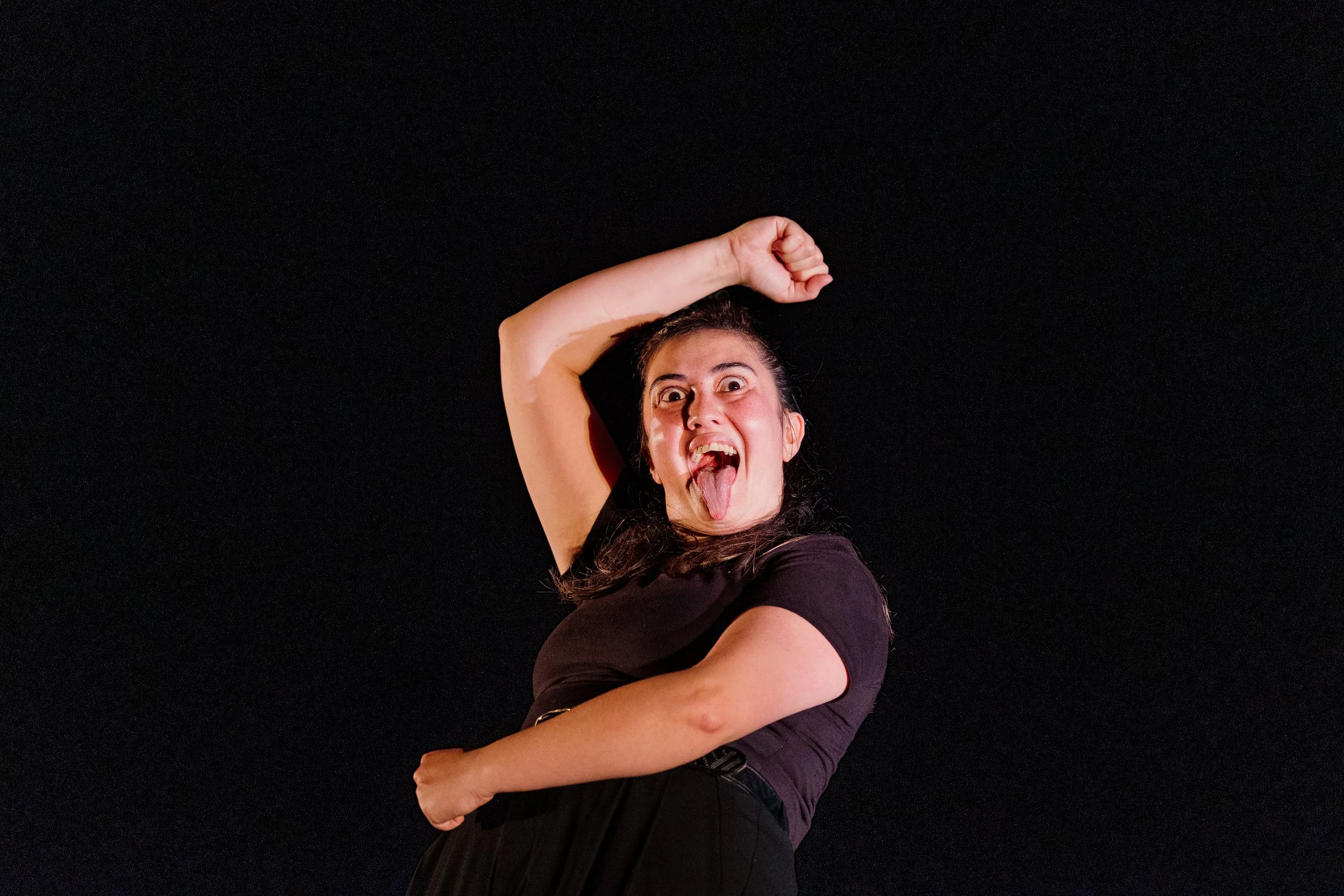
Tiri’s ‘avatar’ is Tilly, played to the hilt by Nī Dekkers-Reihana who is convincing in her multifarious, shapeshifting roles as a lover, a mother, a warrior, a daughter, a future husband while serenading Tiri complete with skillful playing of the ukulele. In this scene, Dekkers-Reihana’s facial expressions were a hoot! Her romantic crooning had the audience laughing out aloud.
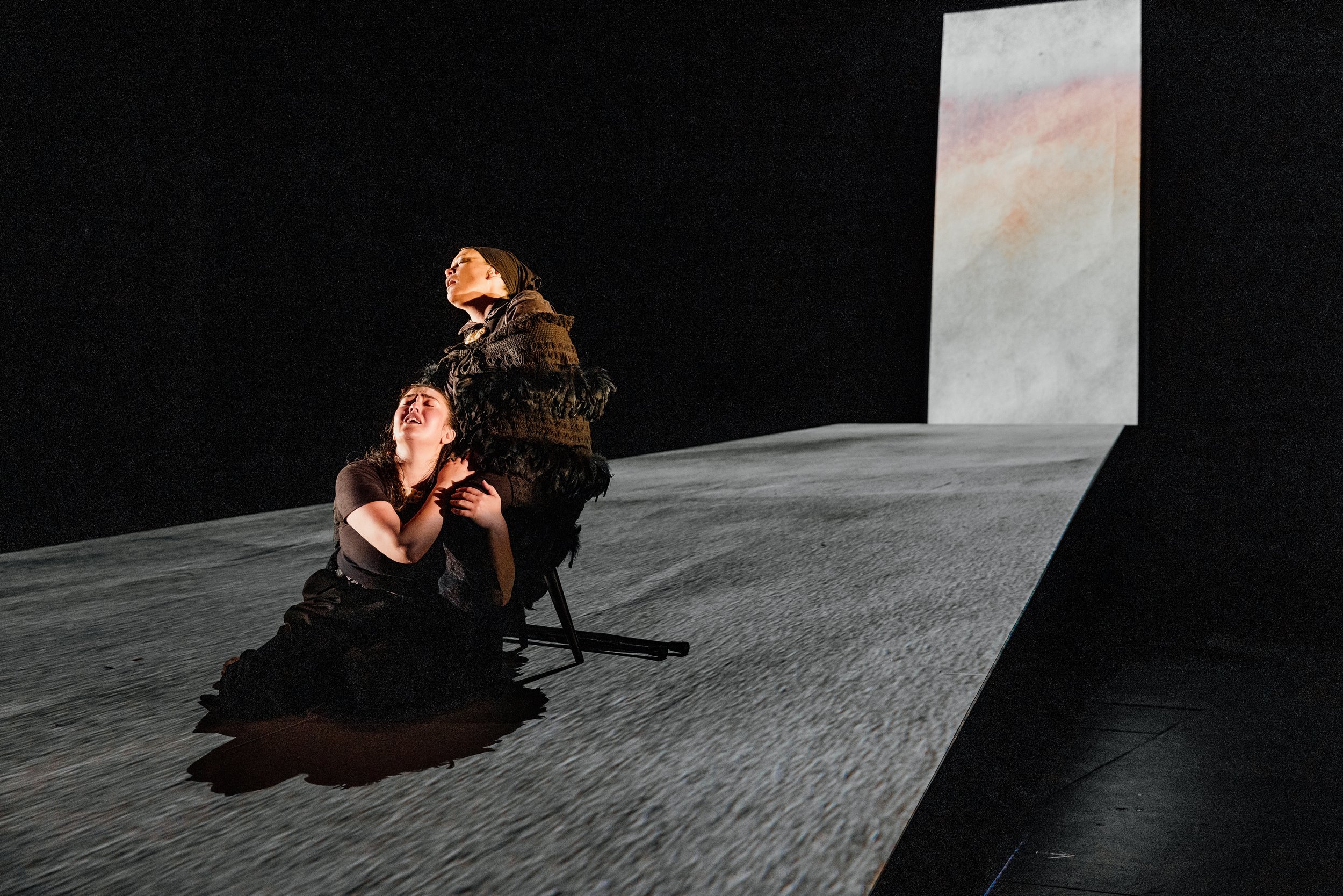
The dynamic on-stage personas of McDowell and her alter ego Dekkers-Reihana are beyond praiseworthy. Each gifted actor presented a flawless interpretation of their respective roles, convincing in every way, their interplay engaging to witness. In particular, their direct eye contact at all times created an intimacy that irrevocably drew the audience into their ‘world’. We were no longer spectators, bystanders but became irrevocably entwined with the unflinching story unfolding on stage.
The dialogue flows seamlessly between te reo Māori and English with Tiri and Tilly always speaking directly to the audience, never faltering from their unwavering eye contact. However confrontational or discomfiting, this consistent engagement invites the audience to participate on all levels.
Director and writer, Katie Wolfe, has created an evocative mapping of The Treaty of Waitangi and the everlasting effect the signing of this historic document has had on the Land of the Long White Cloud, Aotearoa with the entanglement of both Māori and pakeha.
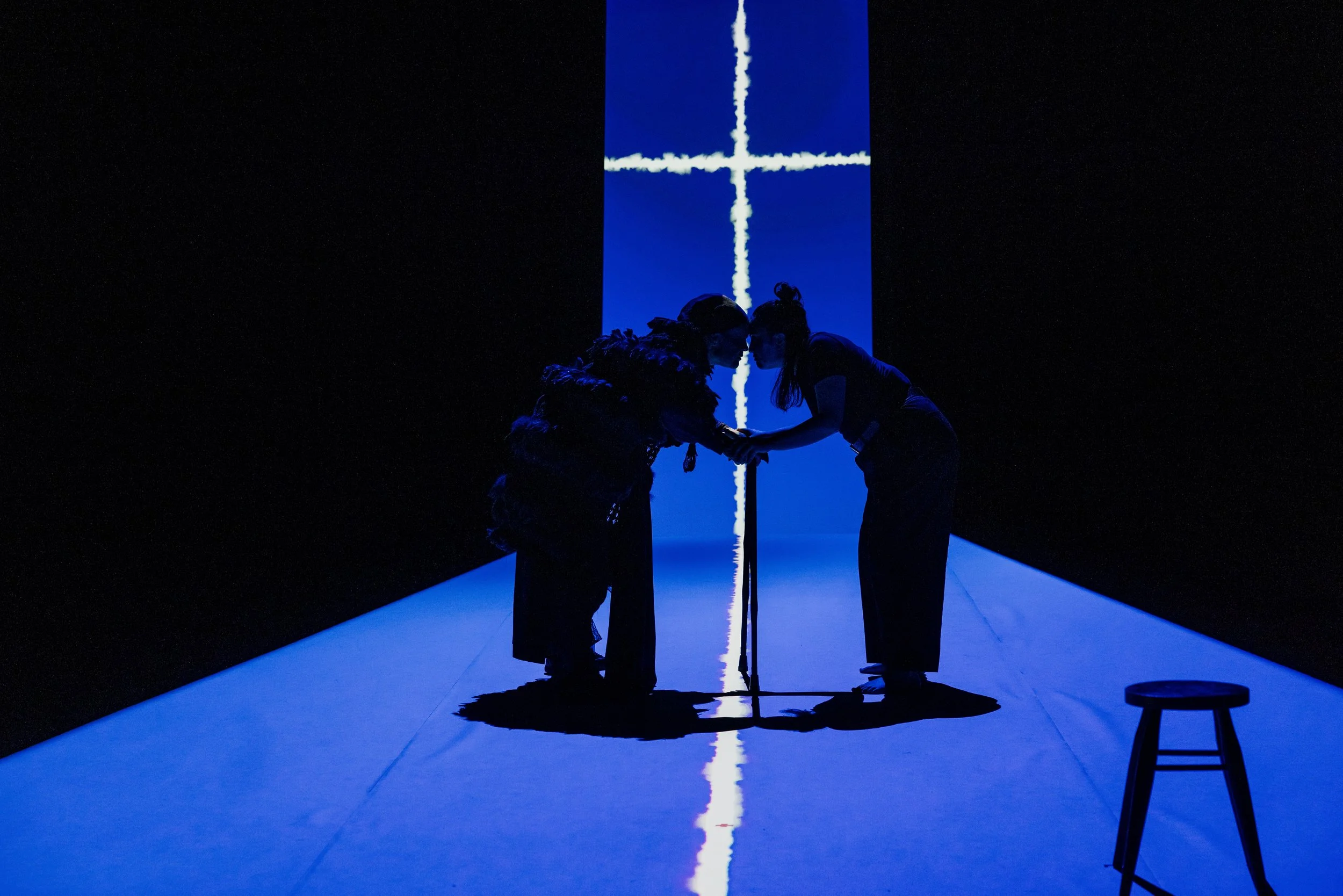
John Verryt’s unusual set design complimented by Jane Hakaraia’s stunning lighting sets the tone for the unfolding of Tiri’s rich, nuanced storytelling. Symbolism abounds through Verryt’s choice of deep red that ‘bloodies’ the set design with its telling message. The traditional Māori tattoo art unfolding majestically across a pure white surface is another standout lighting feat.
Images: Andi Crown Photography
Te Ura Taripo-Hoskins’ lavish all black deft costume design envelops Tiri like a second skin and elevates her to her credible queen-like status. In sharp contrast is Tilly’s simple black pants and t-shirt, which utilises simple adaptations to great effect. For example, with the customisable costume's train removed and draped dramatically across Tilly, she is instantaneously transformed into a fierce warrior chief.
Kingsley Spargo’s abstract compositions and sound are central to creating the dramatic nuances that abound throughout the performance. His compelling sound design manages to evoke the primal feelings of creation itself.
Movement is central to upholding Tiri’s profound story. Movement director, Katrina George, alludes to the vastness of the land where Tiri and Tilly creatively utilise the raised stage setting to its maximum potential. By employing certain areas of the bare surface, different scenarios are enacted and come into play skilfully.
The excellent vocal direction by Cherie Moore quantifies the use of te reo Māori alongside English. Under her expertise, the transformative bilingual subtleties of both languages are further enhanced. So not only did this writer hear the language, she felt the language with all her being.
To end, Tiri: Te Araroa Woman Far Walking is theatre extraordinaire. It is intense. It is brimming with fury, with rage. But through it all, there is hope and faith.
Tiri: Te Araroa Woman Far Walking plays 10-13 September at the Brisbane Powerhouse as part of the 2026 Brisbane Festival.
Images: Andi Crown Photography
