Saplings | Australian Theatre for Youth People
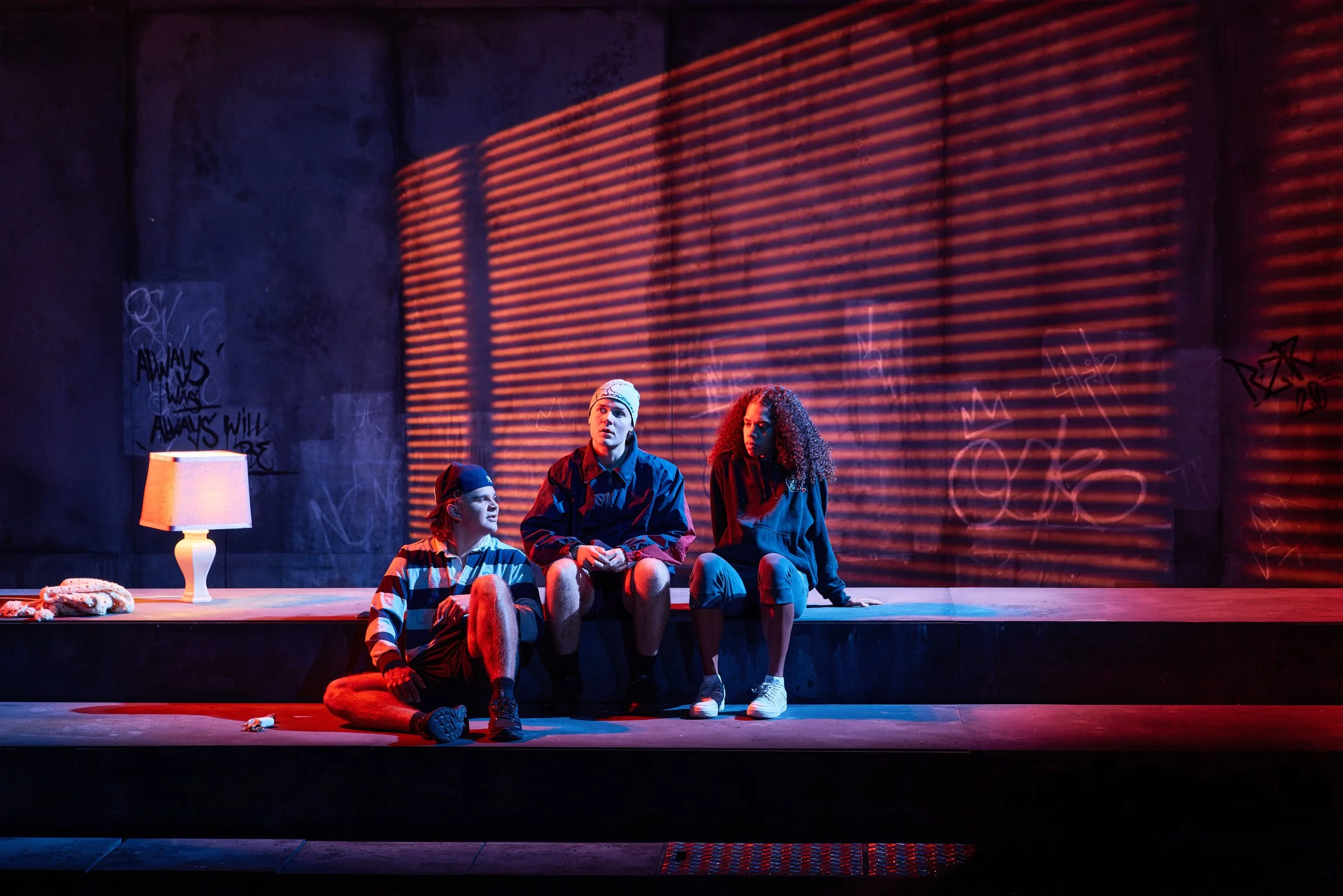
Images: Daniel Boud
I have had a bone to pick with the state of youth theatre in this country since I was in high school. As a teenager, I saw several plays that purported to be Real and Affecting and About Teenage Issues, and each of them made me feel at best talked down to, and at worst offended. Youth theatre is a medium for incredible change, but one that is so often undertaken with very little thought or care into its actual target audience, often consisting of adding the occasional music reference from six months ago to a script about the importance of friendship. With this chip on my shoulder established, I am thrilled to say that Saplings escapes this trap entirely. Nowhere in the runtime did I feel the patented well-meaning condescension that I have so long critiqued - instead, I was met with a genuinely heartfelt exploration of youth crime and the cycle of poverty, filled with equal parts humour and tragedy.
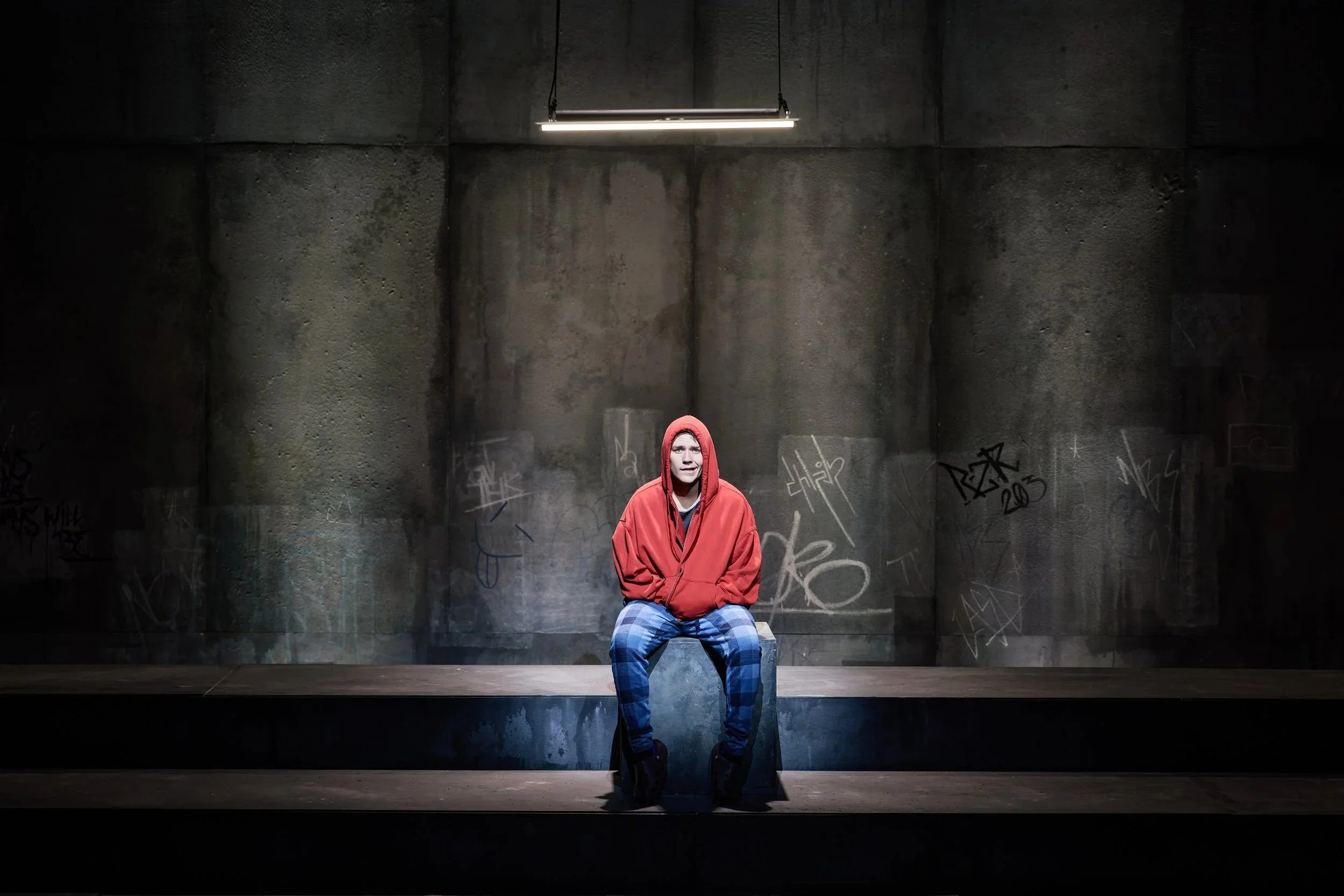
Saplings is a youth theatre anthology play, focused predominantly on the experiences of Indigenous young people in and around the carceral system. While this may seem like a very specific, very heavy concept for a QPAC production, Saplings absolutely killed amongst my audience. Unified by a sense of nuance and sensitivity, the play takes you on a journey through trauma and grief while making sure to occasionally tap into a levity that feels genuine and meaningful. I cannot endorse Saplings highly enough - regardless of your background or lived experiences, it is a deeply affecting play with an immense capacity for change that deserves to be seen by more people.
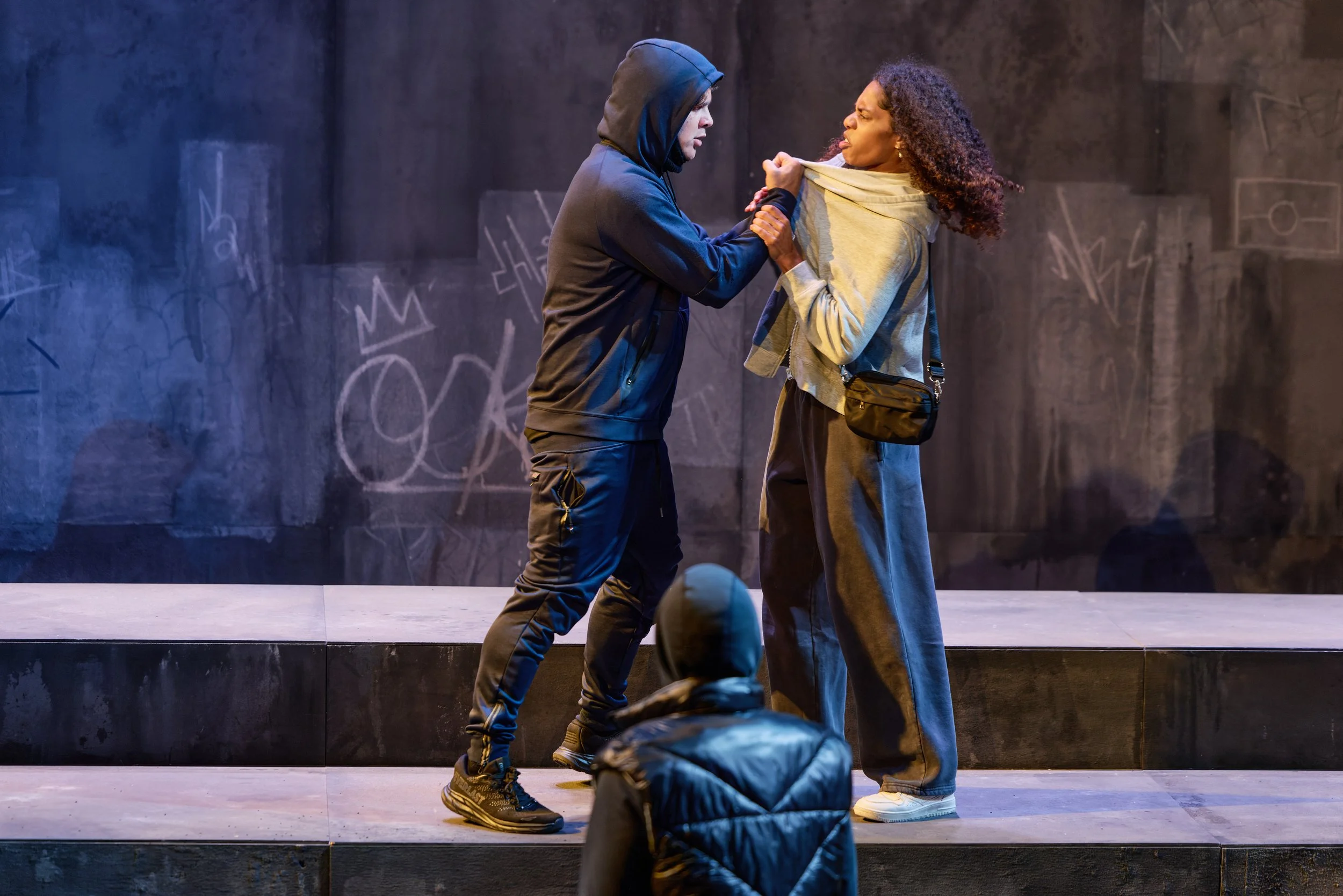
Images: Daniel Boud
With each of its eight key scenes drawn from real-life experiences shared by incarcerated young people through workshops or interviews, Saplings has a feeling of authenticity that I’ve not seen represented on stage before. Stories range from the first time being tried in court, to breaking house arrest due to extreme hunger, and the impostor syndrome felt when an authority figure believes in you - all experiences that I know to be real through conversations with friends and young people over the years. This verbatim approach to the construction of Saplings’ narrative is key in the creation of its authentic feeling - all of these characters are people I know. They talk, walk, and insult each other in ways that feel unique to the modern young Australian, and this is the first time I’ve seen these identities represented so sensitively and carefully on a main stage production. I found myself wondering what the path may have been like for several of my peers in high school had we been shown something that was this close to home rather than the regurgitated anti-bullying narratives favoured by the public schooling system.
Writer Hannah Belanszky has effortlessly woven these very real stories into one functional narrative, with Saplings’ anthology style never feeling clumsy or collaged. Each story flows thematically into the next, with the show becoming gradually more intimate and impactful as its runtime continues. While the stories come from a real source, it’s Belanszky’s choices in narrative construction and arrangement that help Saplings hit such impactful highs for so much of its runtime, and she should be applauded for this. There’s also a Theatre of the Oppressed influence worn on her sleeve here - characters reference real-life laws, police tactics, and legal shifts in a way that feels both critical and informative. The focus on doli incapax (the idea that somebody between 10-14 cannot meaningfully commit a crime due to their lack of understanding) was particularly impactful, especially with the Queensland government’s current obsession with the phrase “Adult Crime, Adult Time” - a sentiment that even those endorsing it admit is a violation of the human rights of young people. It’s a very Boal-like move, actively educating its target audience about their material conditions and the ways in which the law is shifting to further persecute them, and left me feeling like this play should be mandatory viewing for Australian high schoolers.
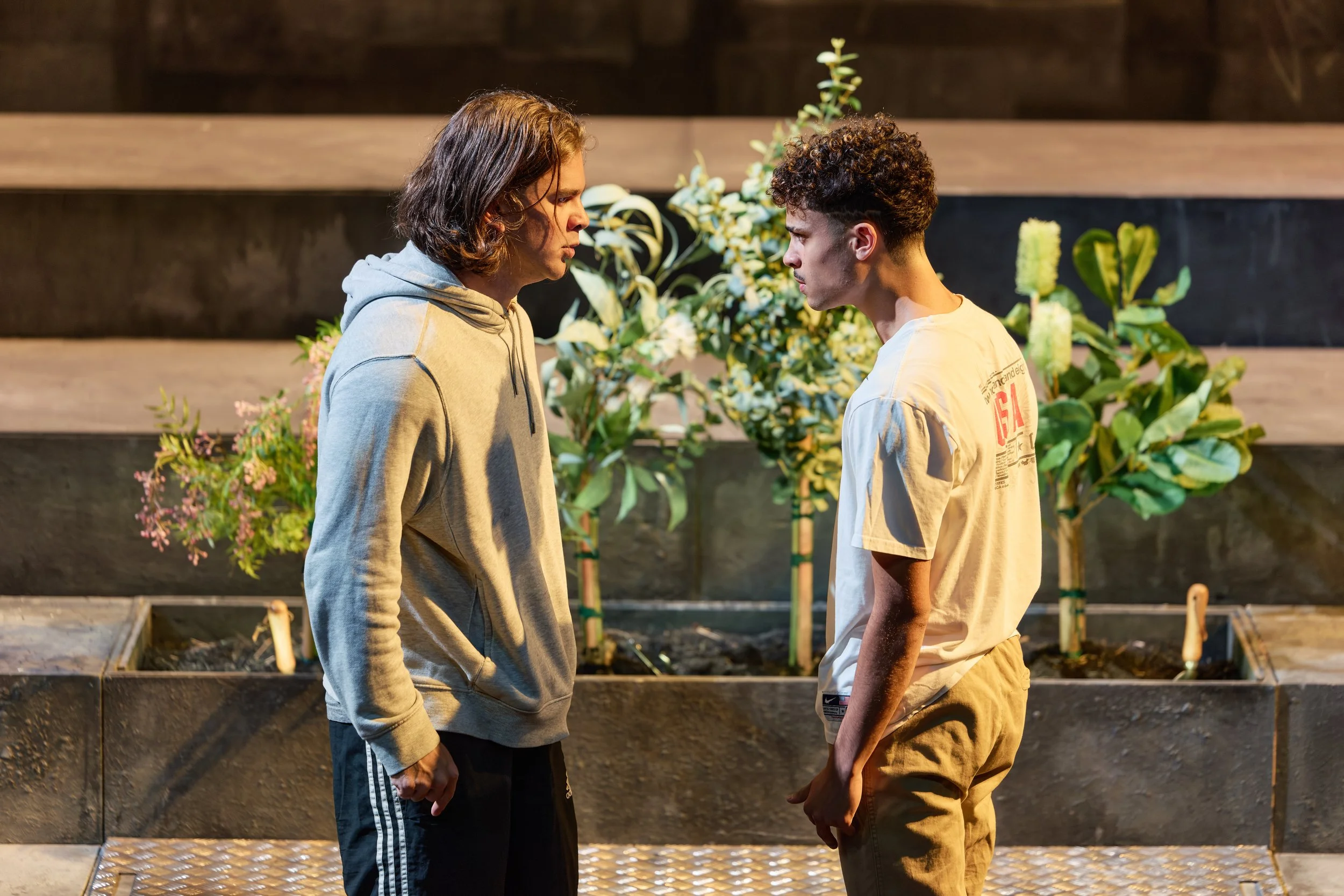
Images: Daniel Boud
I’ve gone a while without mentioning the performances, but this is because I simply do not know what to say about them. The core players of Saplings (Talijah Blackman-Corowa, Maliyan Blair, Danny Howard, & Sam Harmon) are all absolute powerhouses, and embody such a range of characters throughout the plays runtime that to try and compliment a specific performance would feel reductive and ignorant of every other choice they made. If I were to narrow my scope, I would have to mention Blair and Howard as standouts - their performances as Jonty and Kiye in the bookending sequences of the play set the tone for Saplings, and felt to me like the thematic skeleton key of the show. At the end of the day, each of these characters want happiness and comfort, but are faced with immense hardships in pursuing these things. Without judgement, Saplings explores the different ways one can pursue these when not in a position of power, and the ways that this country can punish you for wanting better, and each of the main cast put their all into furthering this exploration into feeling real.
I loved Saplings. Full stop. It is probably the best piece of young people’s theatre I’ve ever seen, and I hope that it continues to be staged over the next decade. It’s a show that deserves to be seen by as many young people as possible, but perhaps more importantly, it’s a show that young people deserve to see. If you get the chance to see it, I implore you to attend - preferably with any young people you know in tow.
Saplings played at QPAC’s Cremorne theatre in July 2026.
Images: Daniel Boud